A shop, medical practice, restaurant or residence should be usable by everyone, including people in a wheelchair, with a rollator or with a pushchair. This is the "design for all" principle (conception pour tous) behind Luxembourg's accessibility legislation.
This article summarises the main rules for owners, operators, building managers (syndics) and architects, and explains where a technical solution such as a platform lift fits in.
The legal framework
Law of 7 January 2022 on accessibility for all of places open to the public, public roads and collective residential buildings.
In force since 1 July 2023.
Three Grand-Ducal regulations of 8 February 2023 set out the technical requirements.
The law covers three categories: places open to the public (shops, restaurants, practices, offices receiving the public, cultural and sports facilities…), public roads and collective residential buildings (apartment buildings).
Places open to the public: the 2032 deadline
New buildings: must be accessible from the design stage.
Existing places: must be made accessible by 1 January 2032 at the latest.
For a shop or practice behind a few steps, the question is no longer whether to act, but how and when. Planning early gives you the widest choice of solutions and access to the grant, whose deadlines end well before 2032 (see below).
Apartment buildings: what applies
For new collective residential buildings, including those created through a change of use:
outdoor paths, building access, common areas and access to the flats must be accessible;
10% of the flats (rounded up) must be designed to be accessible for people with reduced mobility, located on the ground floor or on a level served by a lift;
a lift is mandatory from 8 flats, with a cabin of at least 110 × 140 cm and doors with a clear width of at least 90 cm.
For existing apartment buildings, the law sets no general retrofit obligation. Conversion works or a change of use may however bring a project within scope. Check your case with your architect or a technical inspector.
Would you like to know the price for your staircase?
Inspection, certificate and exemptions
An approved technical accessibility inspector (contrôleur technique en accessibilité) checks compliance before and after the works.
A certificate of conformity confirms the place meets the requirements.
Where a requirement is impossible or disproportionate to meet, derogations or equivalent solutions can be requested.
Non-compliance can lead to criminal penalties.
The state grant
50% of costs excluding VAT for eligible works, studies, advice and expertise;
capped at €24,000 per place or per reasonable accommodation;
open to individuals, private legal entities and public legal entities (other than the State) carrying out the works;
apply by 1 July 2028 at the latest, with works completed by 1 July 2031. These deadlines do not apply to reasonable accommodation.
The grant covers places open to the public and certain newly created apartment buildings. A private single-family home is not eligible. For your own home, other support applies, such as dependency insurance depending on the person's situation.
Where a platform lift helps
In many existing buildings, the obstacle is a few steps at the entrance, a split level or access to a room upstairs. Depending on the layout:
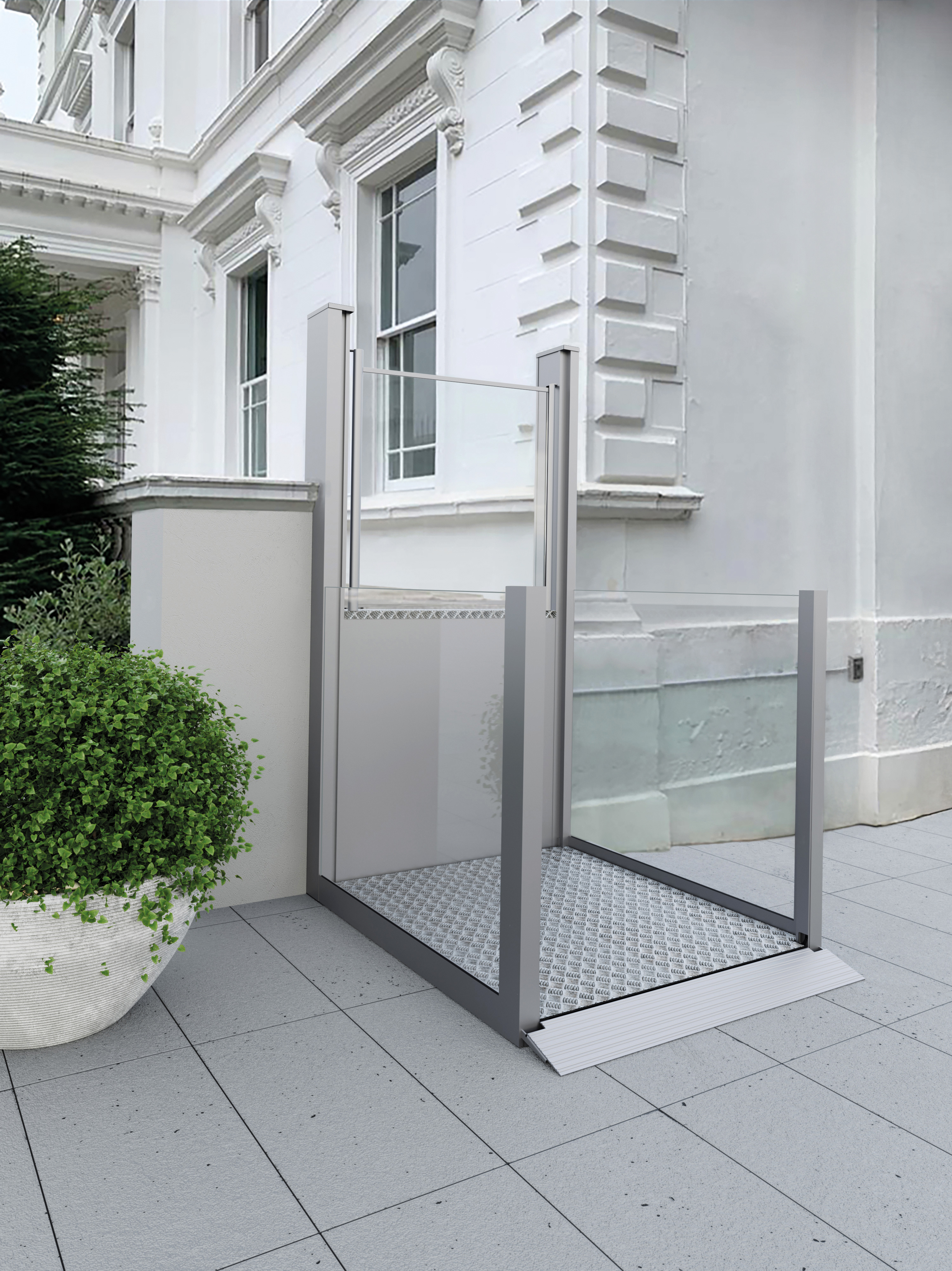
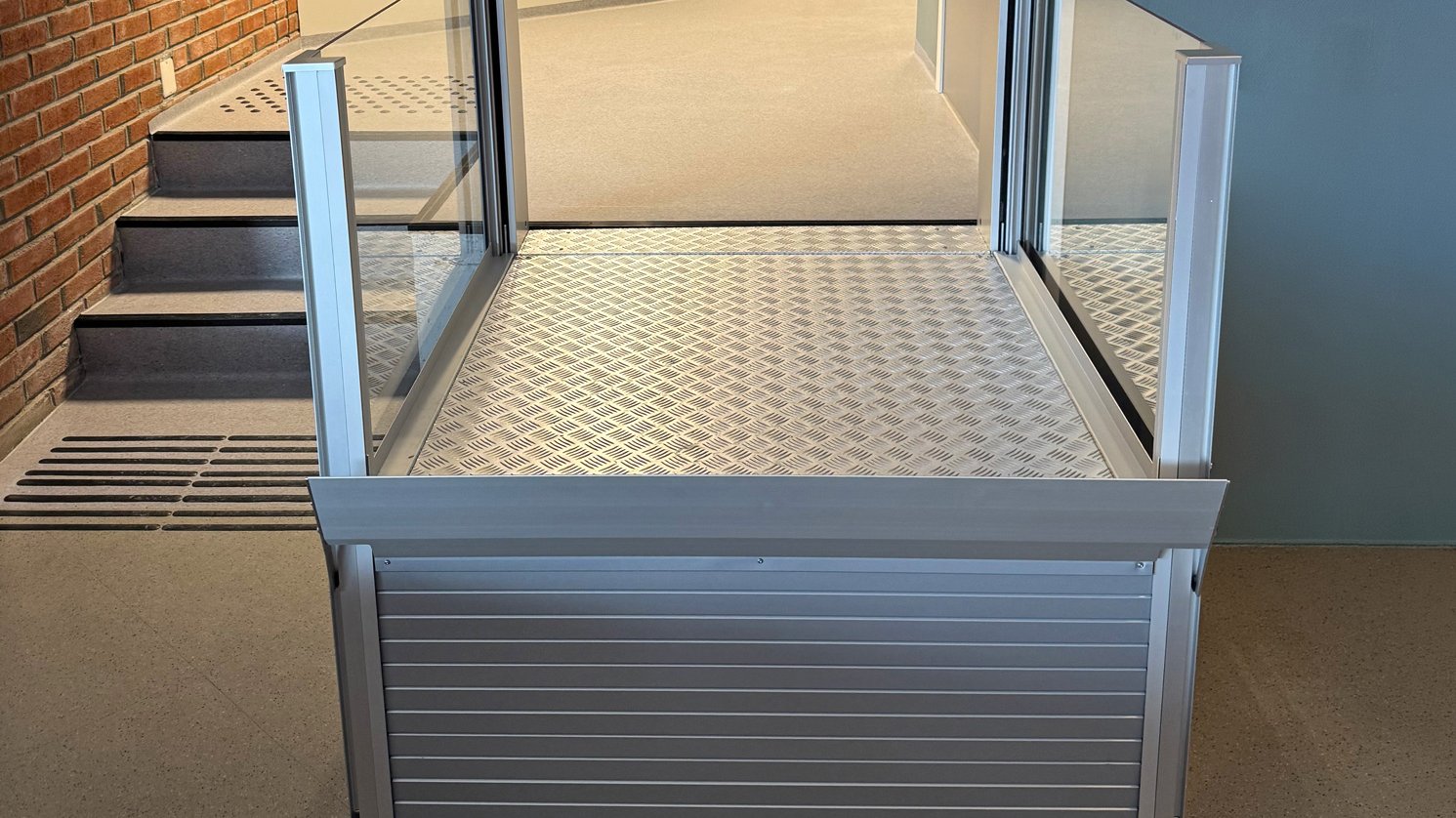
a vertical platform lift (for example Ascendor PicoPorte) to bridge a height difference at the entrance or between two levels;
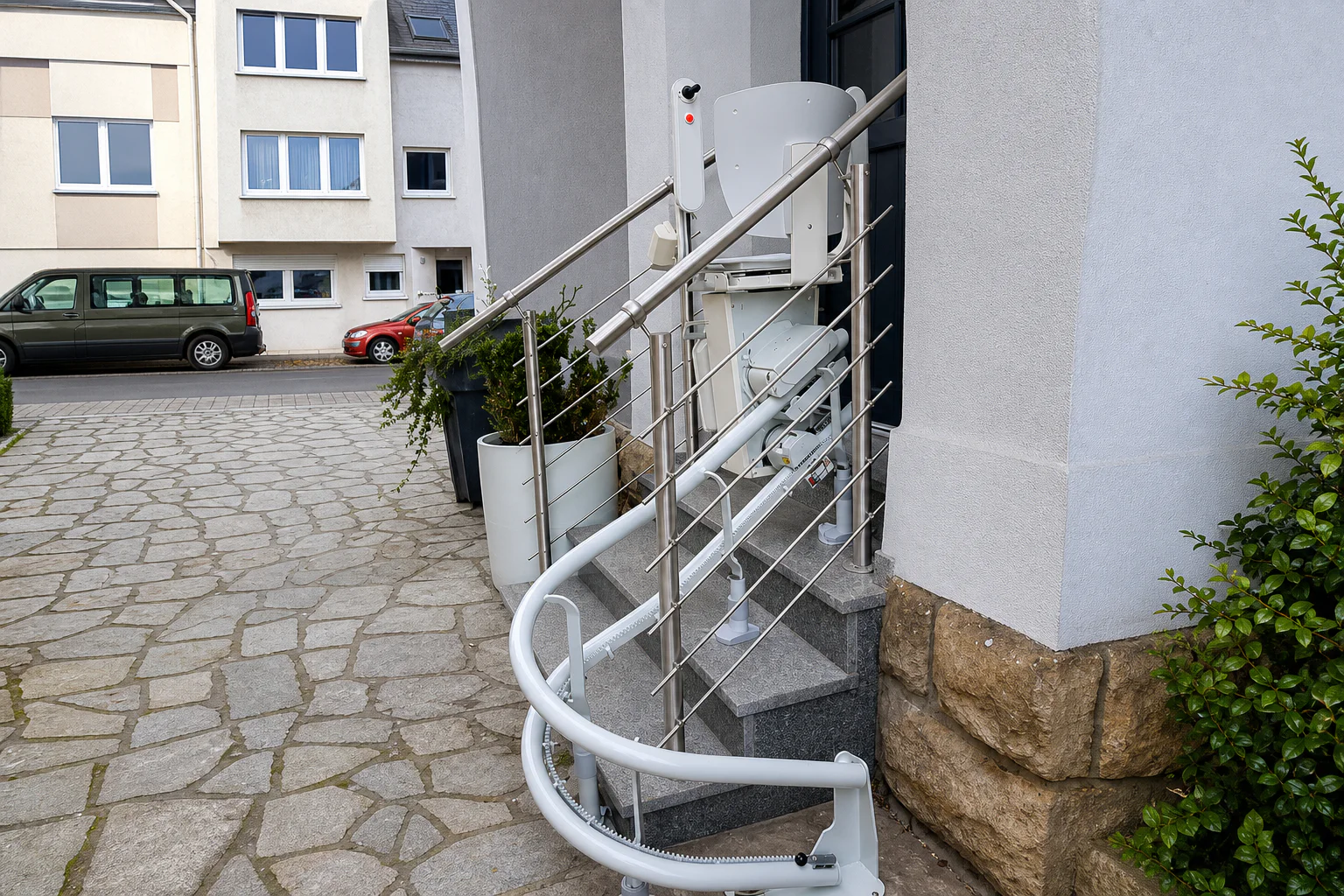
a platform stairlift that follows the existing staircase when there is no room for a vertical lift;
a ramp where height and space allow.
In a new apartment building with 8 or more flats, the lift remains mandatory: a platform does not replace it. In existing buildings, a platform lift can be part of the solution. The choice must always be validated with the technical accessibility inspector.
How MPG supports you
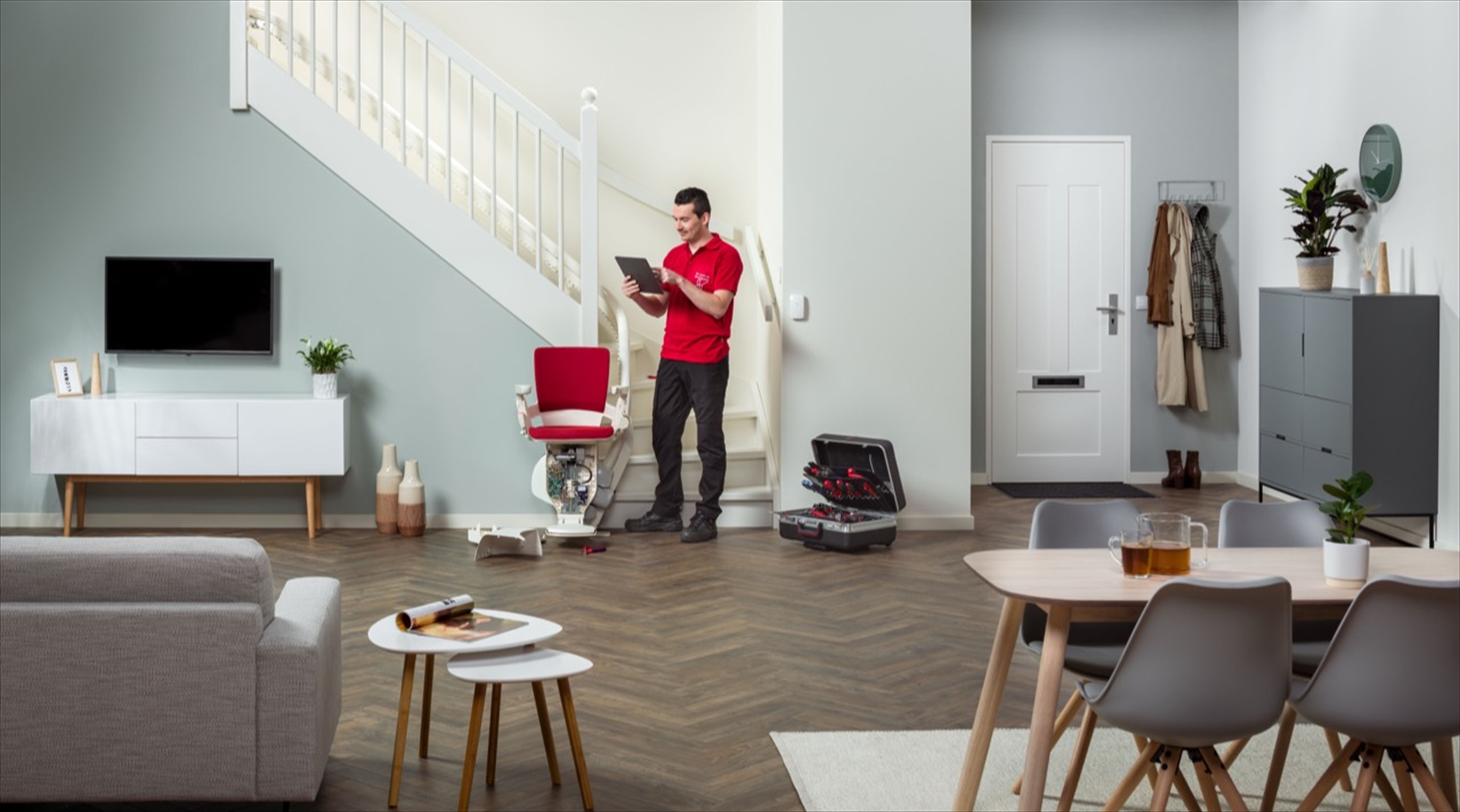
MPG visits the site to record dimensions, heights and constraints, then proposes the technically feasible options, with drawings and product data sheets for your architect and inspector. We then handle installation and maintenance, anywhere in Luxembourg.
Frequently asked questions
Does my existing shop have to become accessible?
An existing place open to the public must be made accessible by 1 January 2032. In some cases, derogations or equivalent solutions can be requested.
Does an existing apartment building have to install a lift?
The law sets no general retrofit obligation for existing apartment buildings. The lift requirement from 8 flats applies to new buildings and changes of use. If you are planning conversion works, check with your architect.
Would you like to know the price for your staircase?
Is a platform lift enough to comply?
It depends on the building and its use. A platform lift can be suitable in an existing building, but it must be validated by the technical accessibility inspector. It does not replace the mandatory lift in a new building with 8 or more flats.
Can I get the grant for my house?
The 50% grant (up to €24,000) covers places open to the public and certain new apartment buildings, not single-family homes. For your home, dependency insurance may contribute to adaptations, depending on your situation.
Let's look at your building
Do you run a shop, practice or residence, or are you planning a project? Contact MPG on +352 33 33 73 for a site visit and a technical proposal.
This article summarises the legislation in force on 5 October 2026 for information only. It is not legal advice. Check your situation with your architect, an approved technical accessibility inspector or on guichet.lu.